Sports shoes manufacturing is a detailed process that combines design, materials, machinery, skilled workers, and quality control. For B2B buyers, understanding the production process is useful because it helps evaluate factory capability, product quality, sample development, and delivery reliability.
A complete sports shoe is made from many parts, including the upper, lining, insole, midsole, outsole, laces, eyelets, labels, reinforcement pieces, and packaging materials. Each step affects the final comfort, durability, appearance, and performance of the shoe.
Step 1: Product Design and Technical Specification
Before mass production begins, the buyer and factory confirm the product design and specifications. This may include shoe category, upper material, outsole material, colorway, size range, logo position, packaging requirements, and target price range.
For OEM projects, the buyer may provide design drawings, reference samples, technical files, or detailed requirements. For ODM projects, the buyer usually selects an existing factory model and confirms customization details.
Step 2: Material Selection and Preparation
Material selection is a key part of sports shoe production. Different materials create different levels of breathability, flexibility, durability, weight, support, and price. A reliable factory should help buyers select materials based on the target market and product use.
- Upper materials: mesh, knitted fabric, synthetic leather, microfiber, or textile combinations.
- Midsole materials: EVA, foam, or other cushioning materials depending on the shoe type.
- Outsole materials: rubber, TPR, EVA, or combined materials for grip and durability.
- Accessories: laces, eyelets, pull tabs, labels, insoles, shoeboxes, and carton materials.
Step 3: Pattern Making and Cutting
After the design and materials are confirmed, the factory prepares patterns for each part of the upper. These patterns guide the cutting process and ensure that each component matches the shoe structure and size requirements.
Materials are then cut into specific shapes by cutting machines or die-cutting tools. Accurate cutting is important because small errors can affect stitching alignment, upper shape, fitting, and final appearance.
Step 4: Upper Stitching and Logo Application
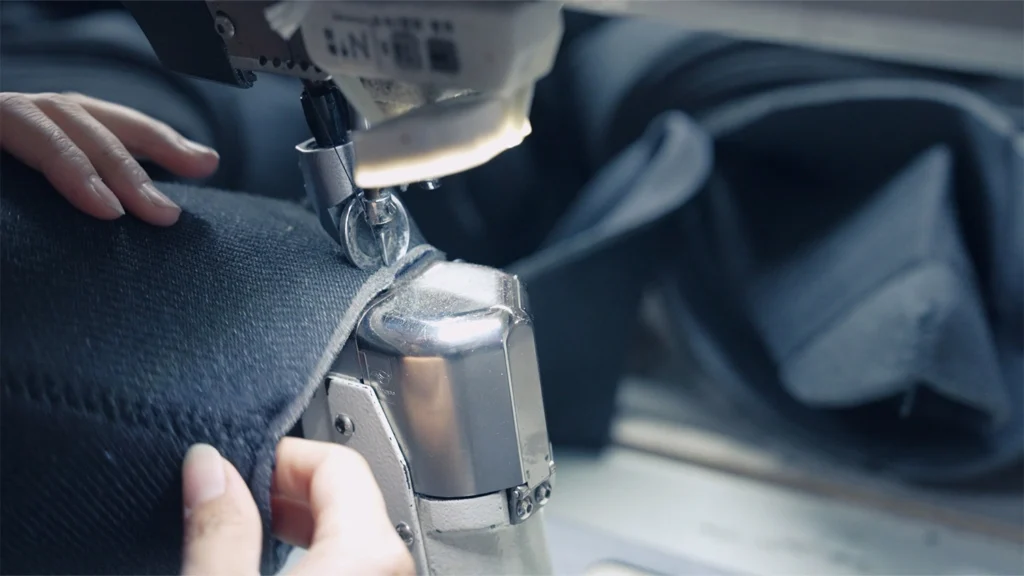
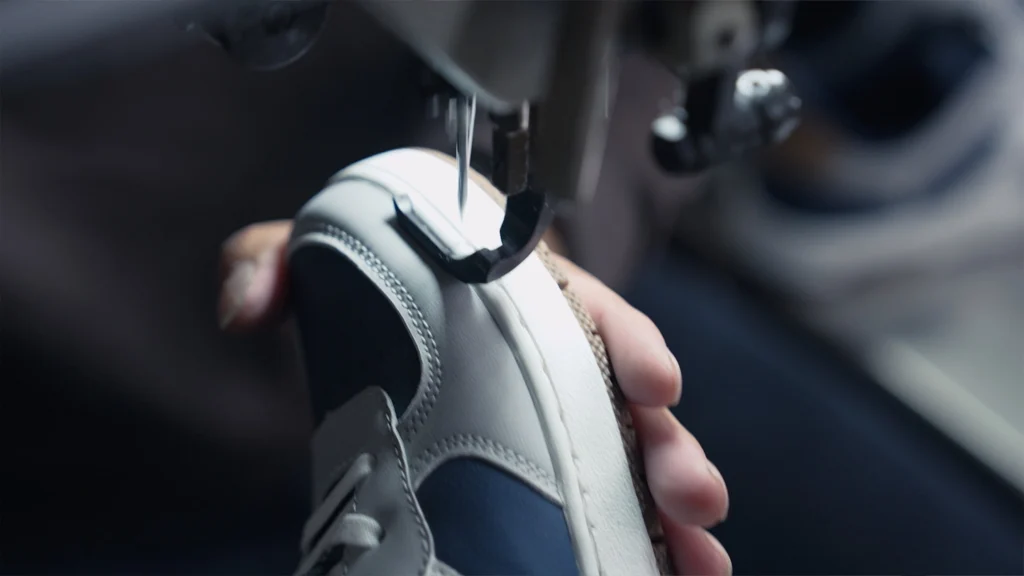
The cut upper pieces are stitched together to form the shoe upper. This stage requires skilled workers and stable sewing quality. For sports shoes, the upper may include multiple layers, reinforcements, lining, tongue pieces, heel counters, and decorative panels.
Logo application is often completed during or before upper assembly. Common logo methods include printing, embroidery, heat transfer, woven label, rubber patch, debossing, or insole printing. The best method depends on the material, brand style, and budget.
Step 5: Midsole and Outsole Preparation
The sole unit is one of the most important parts of sports shoes. The midsole provides cushioning and comfort, while the outsole provides grip, wear resistance, and ground contact. Some shoes use EVA midsoles with rubber outsole pieces, while others use molded EVA or combined sole structures.
Sole components are prepared through molding, trimming, surface treatment, and quality checking. Before bonding, the contact surfaces must be prepared properly to improve adhesion between the upper and sole.
Step 6: Lasting and Assembly
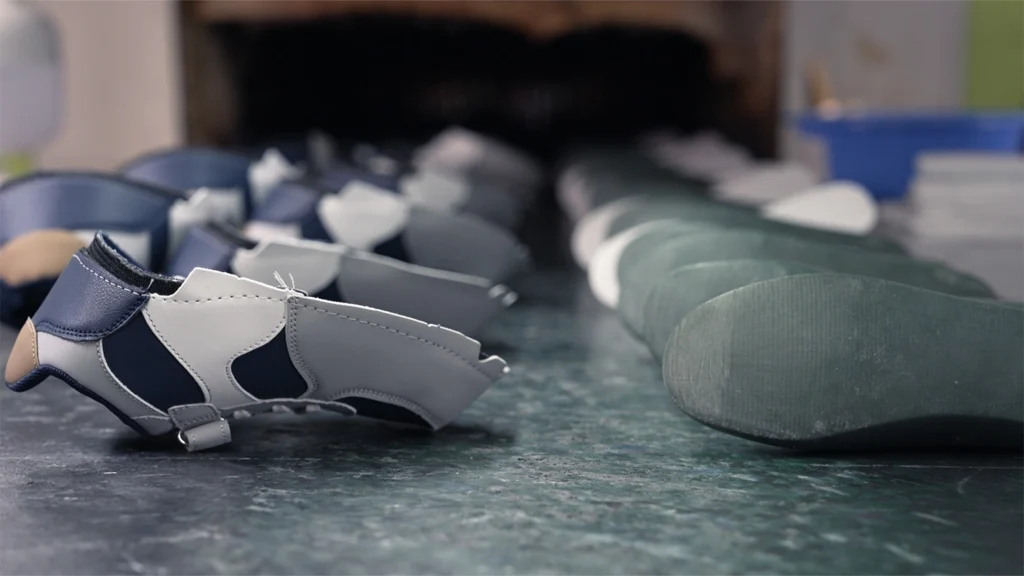
Lasting is the process of shaping the upper around a shoe last. The shoe last determines the fit, toe shape, heel shape, and overall structure of the shoe. Good lasting helps create a stable, comfortable, and consistent shoe shape across different sizes.
After lasting, the upper and sole are assembled. Workers align the upper and sole carefully to maintain symmetry and prevent visual defects. This step requires precision because poor alignment can affect both appearance and wearing comfort.
Step 7: Bonding, Pressing, and Shaping
Bonding is a critical step in sports shoe production. Adhesive is applied to the prepared surfaces, and the upper is attached to the sole. The shoe is then pressed to strengthen the bond. Proper bonding reduces the risk of sole separation during use.
After pressing, shoes may go through shaping or heat-setting processes to stabilize the form. Workers remove glue marks, check the appearance, and prepare the shoes for final inspection.
Step 8: Quality Inspection
Quality inspection should happen throughout the production process, not only at the end. A structured inspection system helps reduce defects and improve delivery quality.
| Inspection Stage | Main Checkpoints |
| Material Inspection | Color, texture, thickness, defects, material quantity, and supplier consistency. |
| Cutting Inspection | Correct pattern, clean edges, size accuracy, and material direction. |
| Upper Inspection | Stitching quality, logo position, symmetry, loose threads, and panel alignment. |
| Assembly Inspection | Lasting shape, sole alignment, bonding quality, glue marks, and pair matching. |
| Final Inspection | Size, color, appearance, outsole bonding, comfort check, packing method, and carton marks. |
Step 9: Packing and Shipment
After the shoes pass final inspection, they are packed according to the buyer’s requirements. Private label packaging may include custom shoeboxes, hangtags, tissue paper, barcode labels, carton marks, and size stickers.
Before shipment, the factory should confirm order quantity, packing list, carton details, shipping marks, and delivery schedule. Good packing protects the shoes during transportation and helps buyers manage warehouse receiving.
Why Understanding the Manufacturing Process Matters
For B2B buyers, understanding the manufacturing process helps in several ways. It makes communication with the factory clearer, helps buyers ask better questions, and improves the ability to evaluate quality risks. It also helps buyers understand why sample development, material confirmation, and inspection are important before mass production.
Frequently Asked Questions
Q1: How long does sports shoe production usually take?
The timeline depends on design complexity, material availability, sample approval, order quantity, and factory schedule. Buyers should confirm sample lead time and mass production lead time before placing an order.
Q2: What is the most important quality point in sports shoe production?
Important quality points include stitching consistency, upper shape, sole bonding strength, size accuracy, material quality, and final appearance. For many sports shoes, bonding quality is especially important.
Q3: Can the manufacturing process be customized for OEM orders?
Yes. OEM projects may require special materials, custom logo methods, unique outsole designs, packaging details, and additional sample adjustments before bulk production.
Q4: Why should buyers inspect samples before mass production?
Samples allow buyers to confirm design, materials, colors, logo effect, fitting, and workmanship before approving bulk production.
Conclusion
Sports shoe manufacturing is a multi-step process involving design confirmation, material preparation, cutting, stitching, logo application, sole preparation, lasting, bonding, quality inspection, packing, and shipment. Each step affects the final product quality and buyer satisfaction.
If you are planning an OEM, ODM, or private label sports shoes project, contact us to discuss your product category, materials, sample requirements, and production plan.